
A Collective Care Workbook for Organisers
This workbook is a tool to support community organisers to strengthen and build collective care in their organising practice.
Published 05 Feb 2026
By Latifa Akay and Stephanie Wong
1 Introduction
Organisers often work tirelessly to make change. When care isn't prioritised, we experience burnout, conflict, and harmful behaviours. We can start to see people as categories rather than human beings shaped by multiple lived experiences.
At Act Build Change we believe that collective care is a core part of transformative community organising. We want to support more of us to care for ourselves and one another as we act on the long arc of justice. The path we take to change determines whether our wins are sustainable. So, how you build your team and who you build your team with matters. How you take action, create a sense of belonging and deal with accountability and discomfort matters.
Act Build Change is a transformative community organising school that travels across the UK to support groups to grow teams, build power, and take action together. Transformative community organising is our approach that combines the strategic power-building of community organising with the sustaining practice of collective care.
How to use this resource

This workbook is a tool to support community organisers to strengthen and build collective care in their organising practice. Community organising builds collective power with people directly affected by the issues they face. As this resource is designed for those who are already doing community organising we will assume knowledge of organising practices.
This is a resource that can be worked through alone or collectively. If you are working through the workbook independently we recommend you choose an accountability buddy to reflect on the learning with. The workbook contains lessons, activities and tools to build your practice of care in your organising. Alongside this we strongly encourage that you attend our live trainings on collective care, as being supported by a trained care practitioner is invaluable.
Note:
Our people
In this workbook at times we’ll use the terms ‘your people’ or ‘our people.’ This is the language that we use in community organising to refer to the specific group of people that an organiser is working with, who share common concerns and are united by a desire to make change.
Intention-setting
Before we get started we want to create an opportunity for intention-setting when using this resource. Reflect on the following questions:
- What brought you to this resource?
- What are your hopes for your care and wellbeing in the coming year? For yourself and for your people.
- If there were no barriers what would you want for yourself and those you organise with to be able to organise sustainably?
- Who can be your ‘accountability buddy’ for exploring this workbook? An accountability buddy could be someone who is also working through the workbook or it could be a peer or a friend who you have set times to check-in on how progress with the workbook is going.
- What is a weekly twenty-minute slot you can make in your calendar to go through this workbook over the next few months?
Collective care and organising
Activity:
What collective care means to you
What comes to mind when you think about ‘collective care’? What does the term mean to you?
Take a moment to think about it. Draw a picture or write some notes:
Collective care is about recognising that everyone's humanity is connected. Most of us cannot be in good emotional, physical, or material health in isolation. It means creating structures where care work is shared among many people, and where leadership development and agency are the focus – not just meeting immediate needs.
Collective care is embodied in the words of Audre Lorde, who says:
Caring for myself is not self-indulgence. It is self preservation and that is an act of political warfare.
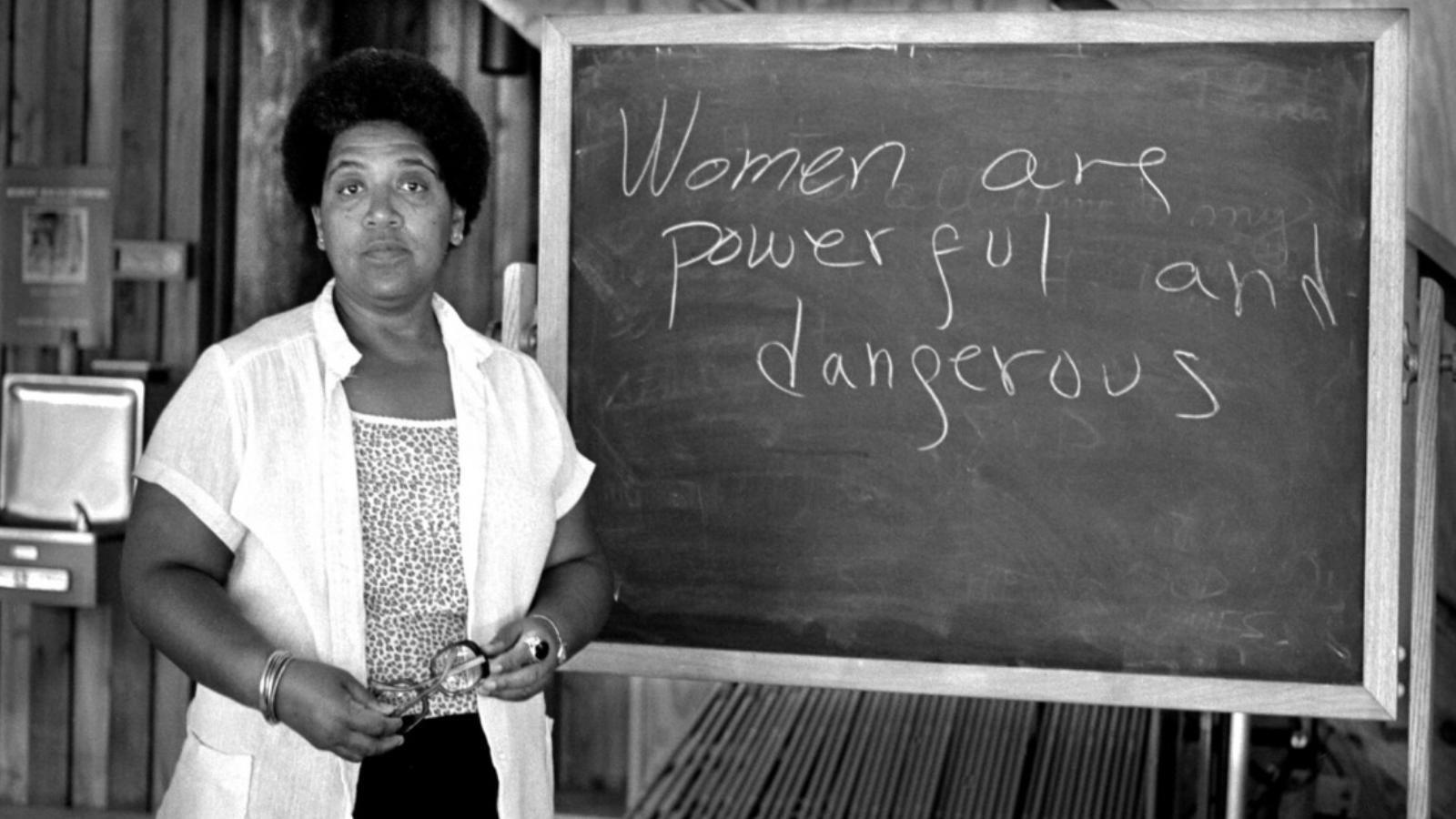
Lorde also reminds us that ‘Without community there is no liberation’.
A lot of the time we are taught that the need to work urgently towards change comes at the expense of our personal and collective care. Collective care builds collective power by increasing self-awareness and strengthening solidarity, commitment, resilience, and shared responsibility. It ensures that communities support one another and sustains movements for justice.
At Act Build Change we believe that building a practice of care in your organising is as much of ‘the work’ as anything else. In fact, we argue that care is the work. The path we take to change determines whether our wins are sustainable. It will determine who can show up and who gets excluded. It matters how you build your team, who you build it with, how you take action, and how you deal with accountability and discomfort.
Guiding Principles
Collective care means prioritising relationships and commitment. When we say commitment we mean a shared commitment to ourselves, each other and our shared purpose. This allows us to stay focused on our strategic priorities and strengthens accountability within a team and alongside our people. This includes acknowledging our own personal responsibility whether that is in honouring commitments such as taking on particular roles or showing up to meetings, communicating when we need help or understanding our own agency and what we can and can’t expect of our team.
As you build your care practice, the following principles are essential to integrate a collective care approach:
- Accessibility: societal barriers exclude many people including those who have physical disabilities, mental ill health, chronic conditions or those who are undocumented or financially poor. Many of these barriers play out in organising groups. Accessibility means working in ways that mean that anyone, regardless of their needs and background, can organise with us.
- Power and anti-oppression: structures and systems of oppression mean that some groups in society have more power than others. Individualistic notions of care, that place responsibility for care on the individual, ignore the ways that power and oppression play out. Working to strengthen collective care means addressing wider systems of oppression, acknowledging the ways that those impact who gets to lead and hold power and taking action to change that.
- Trauma-awareness: trauma can fuel social justice work and affect our ability to act in the ways we want to. Depending on our identities, social conditions and life experience some of us get to feel safety, belonging and dignity more than others. Societal inequalities and discrimination create traumatic conditions that harm people from marginalised groups more so than others. Being trauma-aware puts the belonging, safety and dignity of the most marginalised at the centre of our work – and prioritises reflection as much as action.
- Joy: joy is vital for collective care as it strengthens connections, sustains movements, fosters healing, and encourages generosity. It builds resilience and can be supportive in minimising burnout, as well as serving as an act of resistance against inequality. Joy affirms life, deepens relationships and ensures that care is not just about survival but about thriving together.
In the world as it exists today we acknowledge the challenge in this work. Practising collective care is a constant negotiation and often involves going against the grain of wider cultural norms. For example, it may mean working more slowly or saying no to new work. Working in this way can present moments of discomfort and challenge, and through this real opportunities for joy and healing.
2 Organising relationships and care
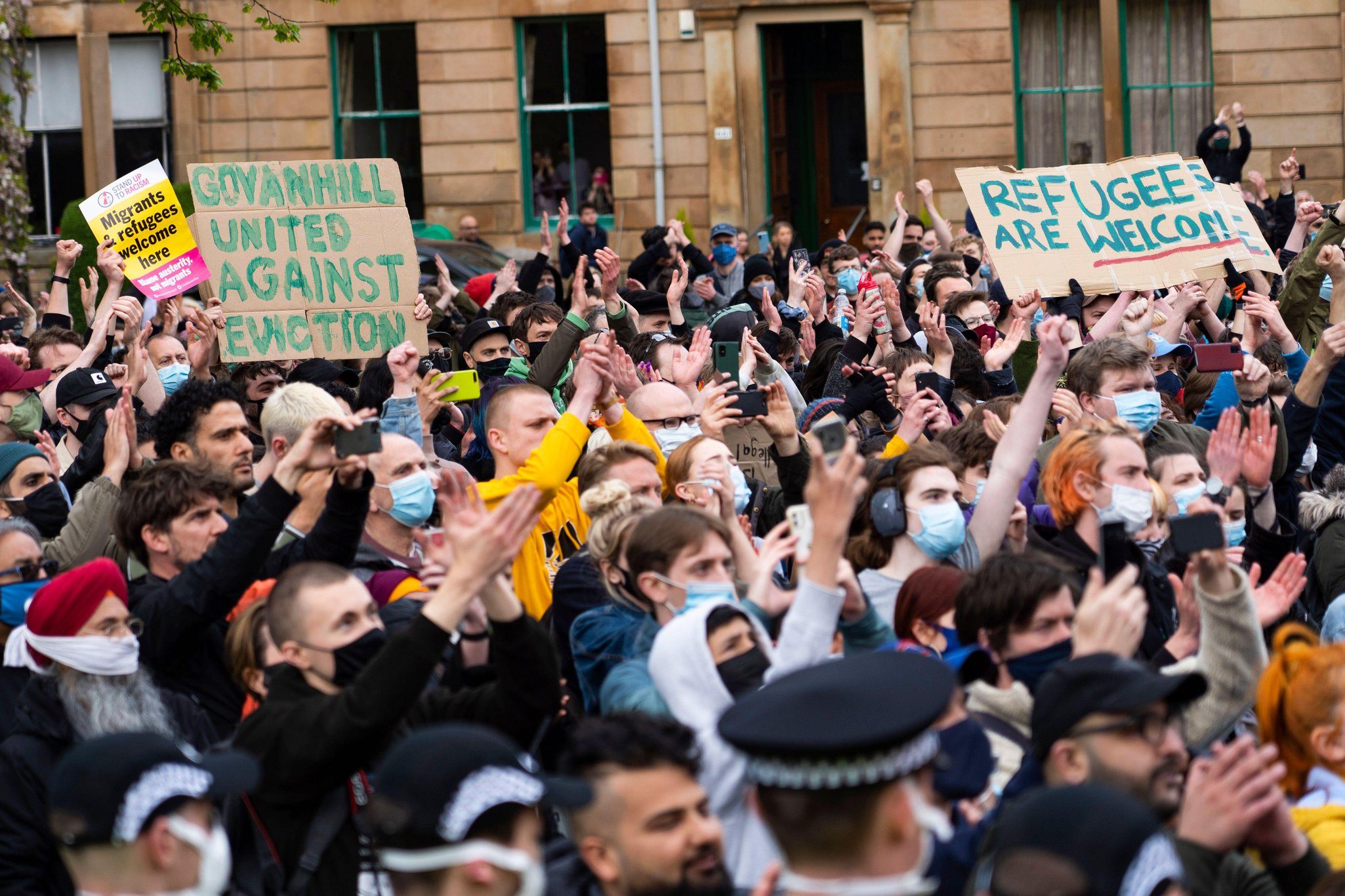
Organising is a power-building methodology, and the power we are interested in is relational power. Organising relationships are based on making commitments to each other to take collective action. Good organising creates groups that share values but gain strength from differences. This is different to private relationships which are often based on feeling an affinity with people we get on with and connect with.
In organising relationships we need to be able to navigate through tension, difference, change and urgency. This means that the care we bring to relationships matters. We need to be able to support the people we’re organising with towards commitment - this means understanding when people need support and how people want to be held to account (accountability being primarily in service of commitment, as opposed to discipline). This also involves understanding and practising boundaries and developing self-awareness around how we relate and communicate with others.
Sometimes, as an organiser, it can feel like anything and everything is your responsibility. Influential labour organiser Fred Ross Sr. authored a series of ‘Axioms for Organisers.’ Here are several that describe what it means to be an organiser:
- It’s the way people are that counts, not the way you’d like them to be.
- If you think you can do it for people, you’ve stopped understanding what it means to be an organiser. An organiser is a leader who does not lead but gets behind the people and pushes.
- When you are tempted to make a statement, ask a question.
Activity:
Reflection on organising axioms
- Reflect on these axioms. What do they make you feel about boundaries in your organising relationships?
- Are there any of these axioms that you connect with or feel challenged by? If so, why?
It’s also important to note that Fred Ross had problematic views on care in organising. For example he said ‘organizers don’t ‘burnout’ they just give up and cease being organizers’. Ross wasn’t unique in thinking this, the idea that good organising means never stopping is prevalent in the history of organising. We challenge that in our work with the belief that people come before projects, and that the path we take to change will determine the sustainability of the change that we get.
In the following sections we share strategies and teaching that will support you to build and maintain caring and accountable organising relationships in practice.
3 Boundaries and organising

Boundaries are the distance at which I can love you and me simultaneously.
Community organising is a relational practice which makes boundaries essential. In order to do this work sustainably we need to consider how much we take on, how much we delegate, how we allow others to build agency and how we communicate the support we need.
Many organisers describe themselves as ‘fire-fighting.’ In this context boundaries become critical to ensure the sustainability of movements for justice. It can feel painful and difficult to be boundaried when working in such urgent conditions. The following activities will be supportive in beginning to practice this in ways that feel practical and manageable.
Without consideration of boundaries around time, roles, relationships and energy, we will lose the ability to be both sustainable (individually and collectively) and strategic. While boundaries begin with the self they are a practice essential to organising effectively as a collective.
Activity:
Your relationship with boundaries
- What boundaries do you find most frustrating or difficult and why?
- What are the positives you can identify that come from maintaining your boundaries?
- What are the boundaries you need to have in place to do your work well?
What are boundaries?
Boundaries are limits and norms that communicate to ourselves and others what we can and can’t do. We all have different boundaries for different people, circumstances and areas of our lives, and boundaries can and will change over time. Based on identities, some boundaries can feel more difficult or easy to maintain. We may have boundaries that need more attention and boundaries that may no longer be serving us.
There are three basic kinds of boundaries:
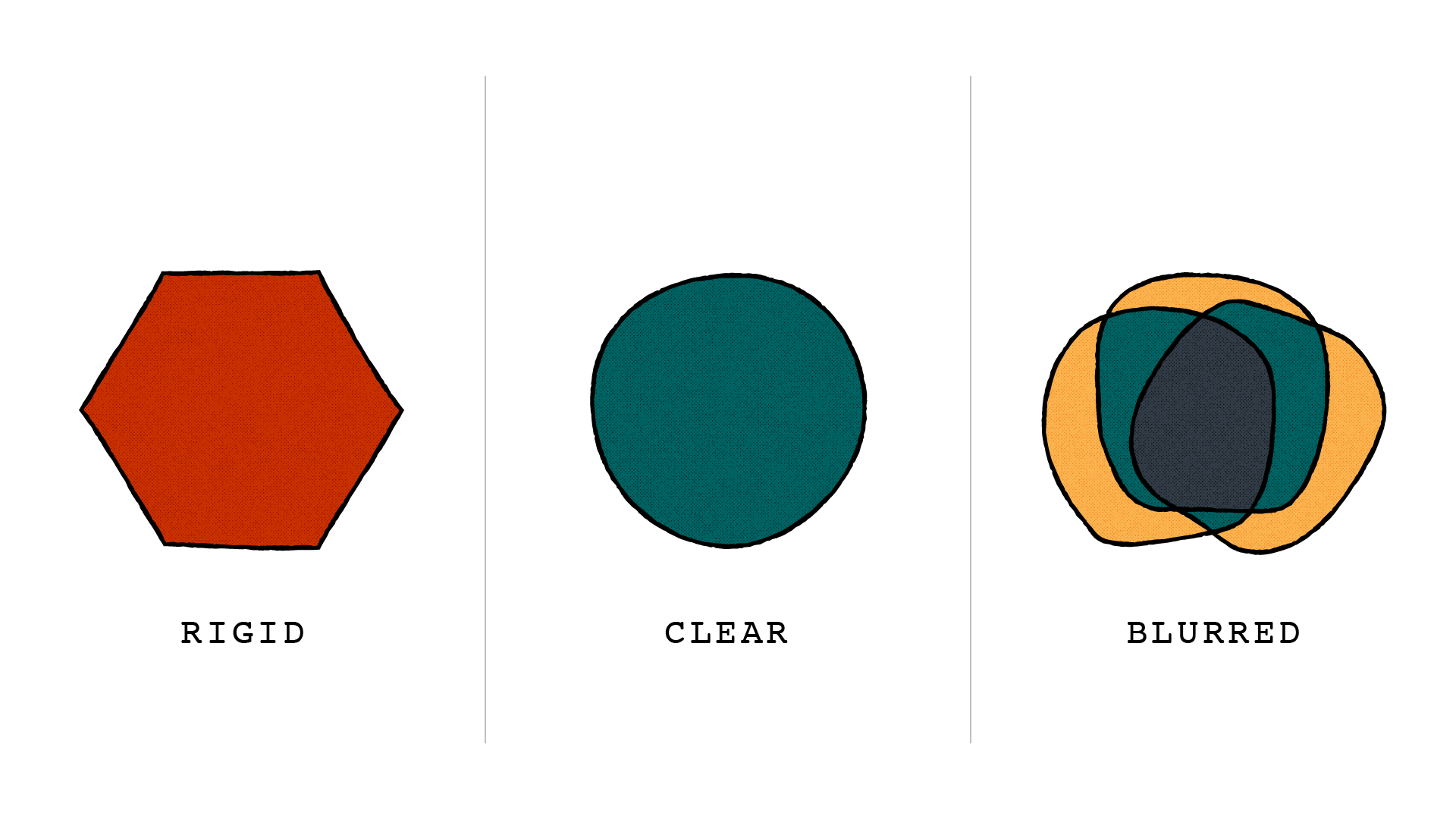
Rigid: Rigid boundaries don’t change. These are boundaries that we might not question but we stick by them regardless. An example of a rigid boundary could be – school starts at 9am.
Clear: A clear boundary is close to rigid, but has some flexibility. It can change over time and is dependent on circumstance and individuals. An example of a clear boundary could be – we start work between 9am and 10am.
Blurred: Blurred ‘boundaries’ aren’t really boundaries at all but something we know we need to stay healthy in the work. This might be a rule that is strict one day and totally ignored the next. An example of a blurred boundary could be – I don’t work on Fridays but often end up replying to emails then. This means people come to expect this of me.
None of these kinds of boundaries (rigid, clear and blurred) are ‘problematic.’ What can be a problem is when we aren’t intentional about our boundaries.
There are also different types of boundaries, these include:
- Time: when and how one allocates their time to various activities, projects, and responsibilities.
- Roles: what is included in the responsibilities and tasks of particular roles
- Physical contact: what is acceptable and comfortable for an individual in terms of physical contact and proximity.
- Emotional: the extent to which one wants to share their emotions and feelings with others and the level of emotional intimacy they are comfortable with.
- Communication: the ways that people are comfortable communicating.
Activity:
Create a personal inventory on boundaries
- On a page draw the headings rigid, blurred and clear.
- Under each heading write down examples of clear, rigid and blurred boundaries that you have.
- What do you notice doing this activity?
- What is one thing you would like to start, one thing you would like to stop, and one thing you would like to continue, based on your reflections?

Developing understanding, communication and practice around boundaries is key to strengthening relationships. It is critical in organising, where research shows that the ‘noble’ nature of this work means that setting and holding boundaries is more challenging.
As researcher Philip Hadridge has asked in his framing of the Noble Purpose Paradox – ‘Why is it that the more compelling the mission, the more tricky it can be to get the best collaborative behaviours and the necessary focused action?’
Boundaries are not just important to ‘self-preserve,’ they are also a critical part of strengthening the possibility of working effectively as a collective. Often by stepping over our own boundaries with good intentions to work to ‘fix’ or ‘rescue’ something or someone, we remove agency from others to act and diminish their power.
Often this will not be conscious – particularly when we are working under pressure.
This is why it is critical to make time for intentional reflection on boundaries. By communicating and articulating our own boundaries and supporting each other to be accountable to holding boundaries, we can work together more effectively as a collective.
Activity:
Boundaries and the collective
Reflect on:
- Where in your relationships are there opportunities to discuss boundaries? Think about your community, team, organisation, or movement.
- What is one way you can make roles more explicit on your team?
- What could you be saying no to both as an individual and a collective?
- What boundaries in your organisation or collective are not serving any more?
- Can you identify boundaries that could be put in place or made more clear?
Activity:
Trialling a boundary
Think of a particular boundary you would like to trial:
- Why does this boundary matter for you?
- Imagine a reality where you have this boundary in place and people respect it.
How do you feel? (Draw or write your reflections)
- What is happening in your current reality that means this boundary is challenging?
- How would you like to communicate this boundary, and to whom?
- What is a first step you will take towards putting this boundary in place?
- When will you do this?
Put a time in your diary when you will check-in with your accountability buddy to reflect on how trialling the boundary has been. Based on your reflections, trial the boundary again!
Note:
Strategies to support with boundaries
Organisers play an important role in creating a culture where boundaries are modelled and respected. If you are a leader or organiser you can support with this by:
- Modelling – leading by example by communicating and honouring your own boundaries and creating space and process for your team to do so.
- Encouraging a culture of consent – asking questions as opposed to making assumptions and putting in place processes to support staff to do the same.
- Creating structures to communicate around boundaries - see user manual tool below.
- Defining particular boundaries – depending on your context it will be helpful to define particular boundaries, for example boundaries around communication or roles.
- Creating clear and transparent processes – ensuring there are clear boundaries around roles and processes to support participation and autonomy. You can learn more about this in the Caring Processes section below.
- Coaching is an important skill for all organisers. It supports us to listen and gives people the space and confidence to find their own solutions, as opposed to jumping in to ‘fix’ things or give advice. This allows organisers and movement builders to stay strategic, aligned with their values and resilient in their work; especially in the face of complexity and resistance. If you would like to learn more about coaching, check out our website for our next coaching pod or get in touch at info@actbuildchange.com.
Tool spotlight: User manual – a tool to support with communication of boundaries
A ‘user manual’ is a tool to encourage communication around boundaries, needs and preferences. It can be supportive to strengthen relationships and develop accessible ways of working. This is an example of a user-manual:
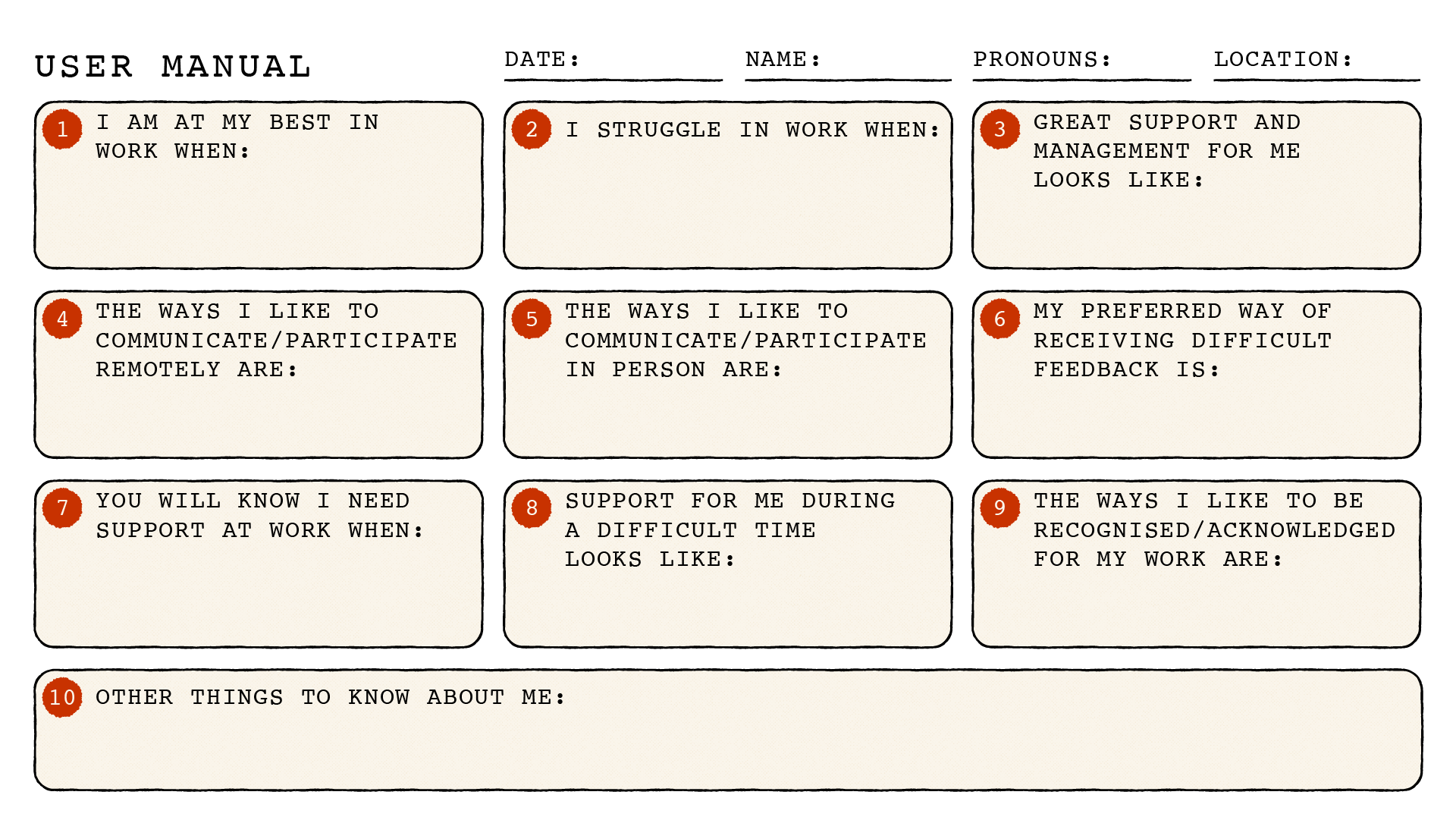
User manuals are:
- A tool to reflect and share what we need to be supported and thriving.
- An opportunity to share boundaries and needs that are important to us or things about ourselves that we would like peers to know to understand us better.
- Living pages - they can never encompass a fixed picture of our individual responses, wants and needs and should be updated regularly.
User manuals aren’t:
- An obligation to overshare. Only share what you feel comfortable sharing and what you think might be helpful for others to know.
- A place to share if you are struggling – it is better to raise this in person.
- A setting up of expectations that you will be held to. We are all learning about ourselves constantly and that our responses in particular times of difficulty or stress will be unpredictable. We aim to approach each other with grace and understanding.
User manual advice
If you would like to introduce the user manual in your own context, the following advice will be helpful:
- How can you adapt to fit your context? A user manual should include questions that make sense to you and your people, you may want to include less questions, ask different ones or use a different name for the tool. In some contexts it may be more accessible to talk through the questions instead of writing or reading.
- How regularly should user manuals be filled out? At least once a year, given that boundaries change constantly and will differ with different people and projects
- Who should read them? People you’re in relationship with where you know it will be beneficial to better understand each other's boundaries, needs and preferences.
- Where should they go? They should be saved or filed somewhere easy to access and visible only to those intended to read them.
Activity:
Trial the user manual
- Have a go at filling out the user manual.
- Note down reflections or share with a peer how the experience felt.
- How could this tool be beneficial in your context?
- What would you adapt?
4 Navigating stress and urgency

Community organising involves a collective ability to keep moving forward, lean on each other, adapt our resources, tend to unforeseen needs and maintain a robust sense of shared values and purpose in the face of internal conflict and external adversity and setbacks. This requires being able to manage and navigate stress and urgency.
Activity:
Managing stress and urgency in organising
Think of a time when you were able to manage stress and urgency well in your organising or campaigning?
What supported you to do that?
When organisers build people power they think through how to collectively act and what to collectively do in order to create change.
This can also be described as the activation trinity:
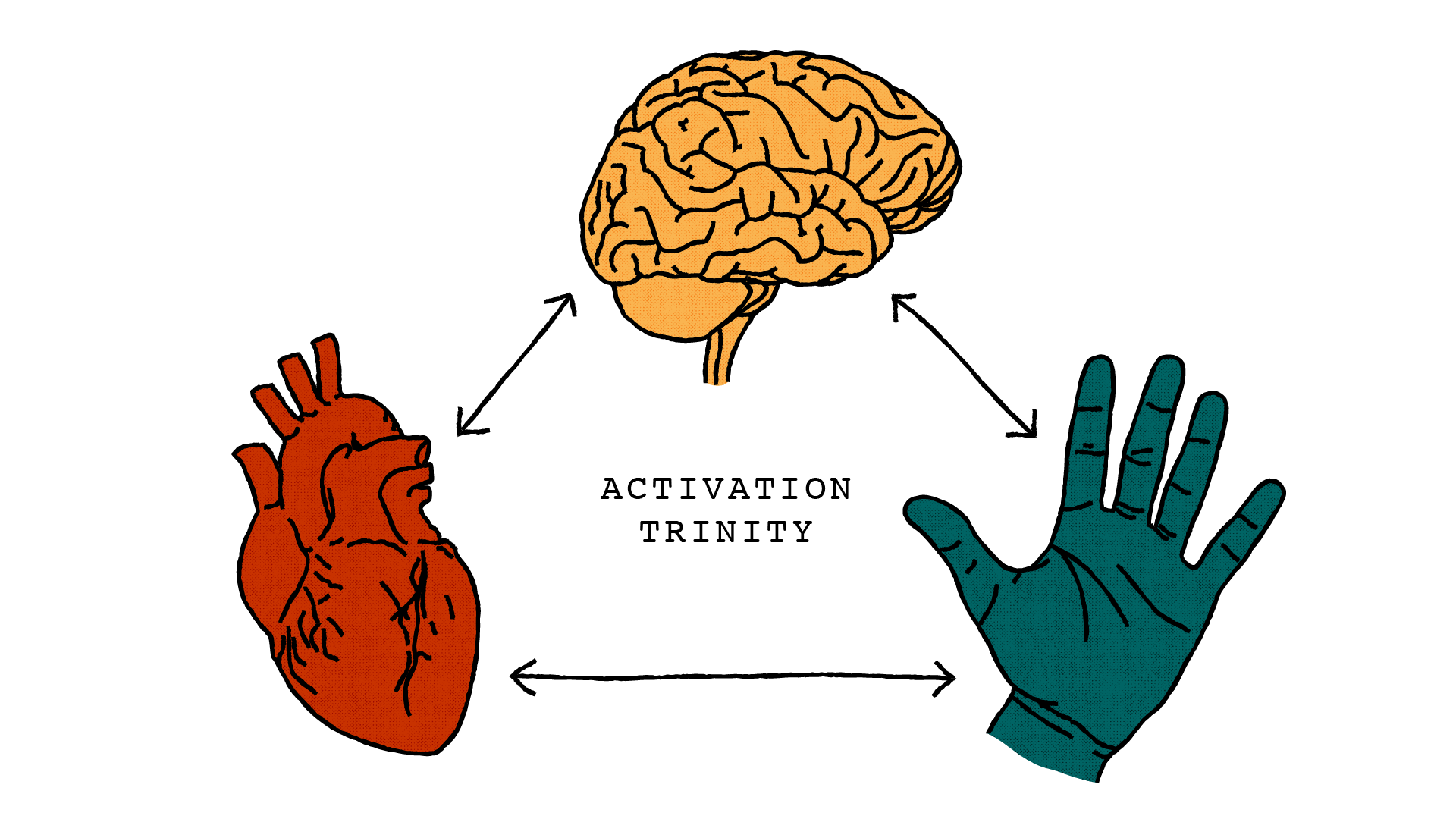
- Head is a strategic challenge – how to organise for change.
- Heart is motivation challenge – why you or your group organise for change.
- Hands is a skills challenge - what you do to organise for change.
When groups are under strain it can knock us and we can lose sight of one of these three. Building resilience in organising is both about adapting in moments of tension and high stress, but also being proactive in knowing who your people are, what drives them in the room to be together in the fight and to cultivate a shared purpose. This will help keep your group's activation trinity stable.
In this section we’re going to highlight what it might feel and look like when we’re under strain as individuals or as a group, and tools that can support in these moments.
When we are in a stressful, tense or an emotional situation we respond differently than when we are calm, rested or regulated. Not always, but often responding from a place of activation or dysregulation means we're more likely to act in a way that departs from our values and perpetuates difficult relational dynamics. On the other hand when we respond when we are regulated we are more able to make conscious choices and to align with our values.
Activity:
What stress looks like in your organising
Draw a picture, or take notes on what it looks like in you and/or your organising team when you experience stress because of conflict, a setback or adversity?
If you are thinking of a particular example, write down your reflections on what it felt like in your body when this was happening:
Stress responses 101
When we are under strain and stress our responses can look like this:
- Fight – Moving toward the perceived threat with urgency or aggression. What it can look like: Snapping at people, becoming overly argumentative, or pushing back sharply when feeling pressured.
- Flight – Trying to escape or avoid. What this can look like: Disengaging from conversation, avoiding difficult emails, or suddenly needing to “step out” when conflict arises.
- Freeze – Becoming stuck, unable to act or decide. What this can look like: Going blank when asked a question, struggling to make decisions, or feeling mentally ‘shut down’ during high-stakes moments.
- Fawn – Trying to appease others to reduce the perceived threat. What this can look like: Over-agreeing, downplaying our own needs, or immediately taking blame to keep the peace in a tense discussion.
- Flop – A collapse response - extreme overwhelm leading to a drop in energy or functioning. What this can look like: Suddenly feeling drained, unable to focus on simple tasks, or needing to lie down or leave because your system is overloaded.
What high stress can look like in groups:
- Culture of urgency – decisions and actions feel rushed, pressure is constant.
- Persistent conflict or avoidance – high levels of tension or reluctance to address issues.
- Needs not being met or recognised – care for individuals falling away or being deprioritised.
- Experience of harm – oppressive dynamics or actions can play out during times of stress and urgency
- Difficulty handling complexity – binary or polarised thinking dominates, nuance is lost.
- Strong in-group/out-group dynamics – ‘us versus them’ mentality influences behaviour.
- Sensitivity to feedback – defensive reactions to critique or feedback.
- Signs of strain in your team – reports of fatigue, health concerns, or increased stress-related symptoms.

Activity:
Reflecting on stress responses
What reflections does this bring up for you?
Take a moment to note down some thoughts or feelings.
Now draw a picture or write down some notes on what it looks and feels like when you and your team are calm and regulated.
Some things you might feel or notice when you and your team are calm and regulated could include:
- Feeling connected to your environment and people.
- Feeling relaxed in your muscles and breathing - yawning!
- Being able to hold difference or challenge with nuance.
- Feeling trusting of others and/or trusted.
Activity:
Grounding exercise
Grounding helps people reconnect with their bodies, steady their attention, and become more present. This can be especially valuable in moments of stress or emotional overload.
Guided steps:
- Begin with the breath: Notice your breathing – no need to change it, just observe the natural inhale and exhale.
- Reflect on thoughts: Notice what thoughts are present, as if watching them pass by without needing to engage.
- Scan for tension: Sense into your body and identify areas holding tension or tightness.
- Notice where there is ease: find any areas that feel open, soft, or at ease in your body.
- Expand the ease: see if you can gently expand that feeling of ease into other parts of the body.
- Return to the breath: Bring attention back to the steady rhythm of breathing.
- Engage the senses: Notice what you can smell, what you can taste, and then what you can hear.
- Open your eyes: slowly open your eyes and look around the room, then down at your hands, taking in your surroundings.
Working to be ‘conscious’ and have awareness about the ways that we respond to people’s needs and boundaries takes time and practice. It is a key way of strengthening emotional resilience.
Note:
Strategies for navigating stress and urgency
- Offsetting – When you debrief, try to name your feelings. Then identify what you will do to offset those feelings. It might be resting and doing something relaxing alone, seeing friends, getting fresh air or doing exercise.
- Reconnection & feedback – Check in with others, share reflections, and exchange constructive feedback.
- Rest and renewal – Take breaks and do activities that recharge your energy.
- Grounding and orientation – Pause, breathe, and reconnect with your body and surroundings (see earlier exercise).
- Building shared values – Discuss what matters, define team principles, and reinforce them together.
Tool spotlight: Support for Saying No (adapted from Dr Eric Haseltine, Dr Chris Gilbert)
The tips below are useful strategies to practise for times when communicating boundaries or saying ‘no’ feels difficult. We explore boundaries in more depth in the next section.
- Pay attention to your body: Try to be in tune with your body’s reaction when someone asks something of you. Look out for tense muscles, stomach pain, clenched jaw. These are signs that saying no may be what’s right.
- Take time before making decisions: Try not to give in to unconscious reactions. Practise saying you’ll think about it and get back or will respond later.
- Find alternative ways to deliver your message: If saying no verbally is a challenge, you might be more able to say what you want to in writing (e.g. an email).
- Practise small no’s regularly: Practise in situations that feel less ‘high stakes’ for example with a close friend that you trust and in conversations that feel less stressful.
- Deliver your no with a solution: Instead of thinking of situations as all or nothing, meet in the middle. Could there be someone you refer them to, or ask them to do something you know is in their capabilities before responding?
- You are allowed to change your mind: If you were caught off guard and unintentionally agreed to something, you can withdraw your agreement. Explain that you responded in haste and now realise you cannot commit to their request.
5 Anti-oppression and intersectionality

There is no such thing as a single-issue struggle because we do not live single-issue lives.
Interpersonal power and privilege can vary depending on situations we’re in and who we’re relating with. Despite this there are structures and systems of oppression which mean some groups in society have more power than others.
For example, while men tend to have more power than people of other genders, Black men are statistically more likely to experience police brutality.
Intersectionality can be a useful way to reflect on how anti-oppression can be strengthened in different contexts. ‘Intersectionality’ as a term was coined in 1989 by legal scholar Kimberlé Williams Crenshaw to describe how the experiences of Black women differ from those of Black men and white women because they endure both gender and race discrimination. Crenshaw was investigating the ways racism, sexism and other forms of discrimination overlap and create unique and distinct kinds of burdens for Black women who were subject to two or more forms of discrimination in the workplace. Intersectionality is important when it comes to thinking about care because without an intersectional lens, a ‘one-sized fits all’ approach will actively ignore the ways that structures of oppression mean that people of certain identities or experiences are inherently uncared for, or actively harmed.
Activity:
Identifying assumptions
Think back to a time when you met someone for the first time, who you now know quite well. This could be a neighbour, someone new in a community space or a colleague.
Take a moment to reflect :
- What assumptions did you make about this person, based on their appearance, accent, name or behaviour?
- What have you learnt about that person since, that you didn't or couldn’t know then?
- What does reflecting on this bring up for you in relation to your organising?
There are factors that are very visible, less visible and invisible. You’ve likely made assumptions about religion, gender, race, education or class status, which can be a dehumanising experience. You may have reflected that even when identities are more visible, experiences will always be layered. You may have reflected that some people have different access to spaces and that certain identities are treated with greater dignity and trust than others.
All of us hold assumptions and biases that are entrenched through social norms which we learn from a young age. Generation Five’s Sites of Shaping and Change model illustrates the different ‘sites’ that shape us:
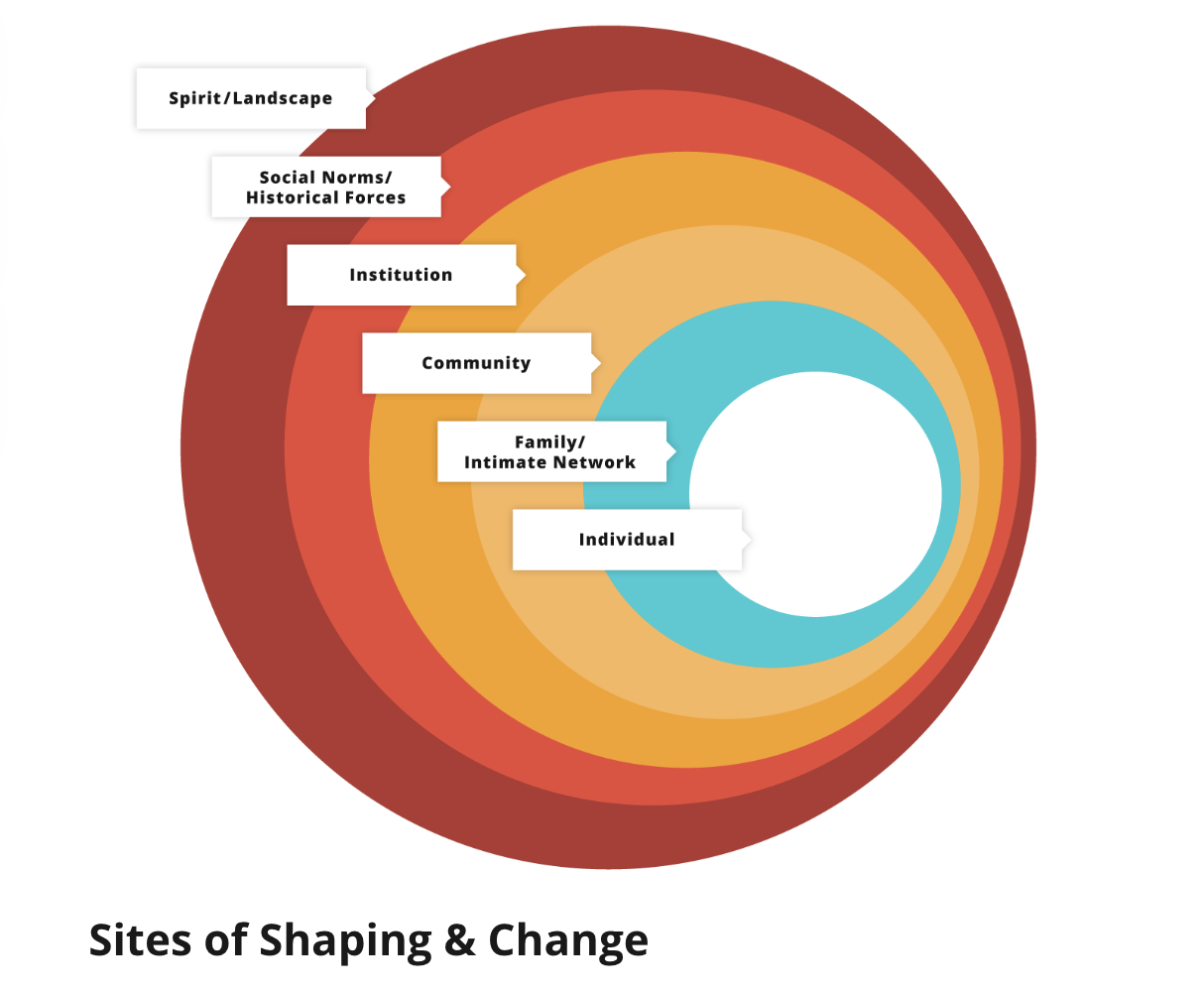
Staci Haines explores the model in her book The Politics of Trauma and gives a set of reflection questions for each site of shaping. You can watch a short video of Staci Haines talking about the model on YouTube.
Activity:
Reflection on Sites of Shaping and Change
Take some time to reflect on the questions for ‘social norms’ that Staci Haines includes in The Politics of Trauma:
- What did you learn was normal and not normal?
- Who did you learn ‘naturally’ deserves more safety, belonging, dignity and resources?
- Who has more inherent worth, who is more disposable?
What does reflecting on these questions bring up for you?
In The Politics of Trauma, Staci Haines says:
The more conscientious and conscious we can be about these different sites of shaping, the more quickly we can understand our conditioned tendency [our automatic behaviors and unexamined shadows that impact us and our communities] and also move into transforming it.
When we are organising we are constantly meeting people with completely different identities and experiences. At a personal level, paying attention to how assumptions play out for us is an important part of organising with care and awareness, and building comfort with working across difference. At a structural level, understanding how systemic oppressions play out and how those rely on particular stereotypes, is an important part of being able to organise effectively against structural oppression.
Being able to engage with power in an intersectional way means we can acknowledge the different struggles people face based on their identities that may or may not always be obvious. Engaging with power in an intersectional way, provides us with tools to offer solidarity in a way that is strategic and meaningful and helps us to challenge systemic oppression. It supports people to be responsible with their privilege and develop practices of care that have the potential to be transformative for everyone.
Activity:
Intersectionality in practice
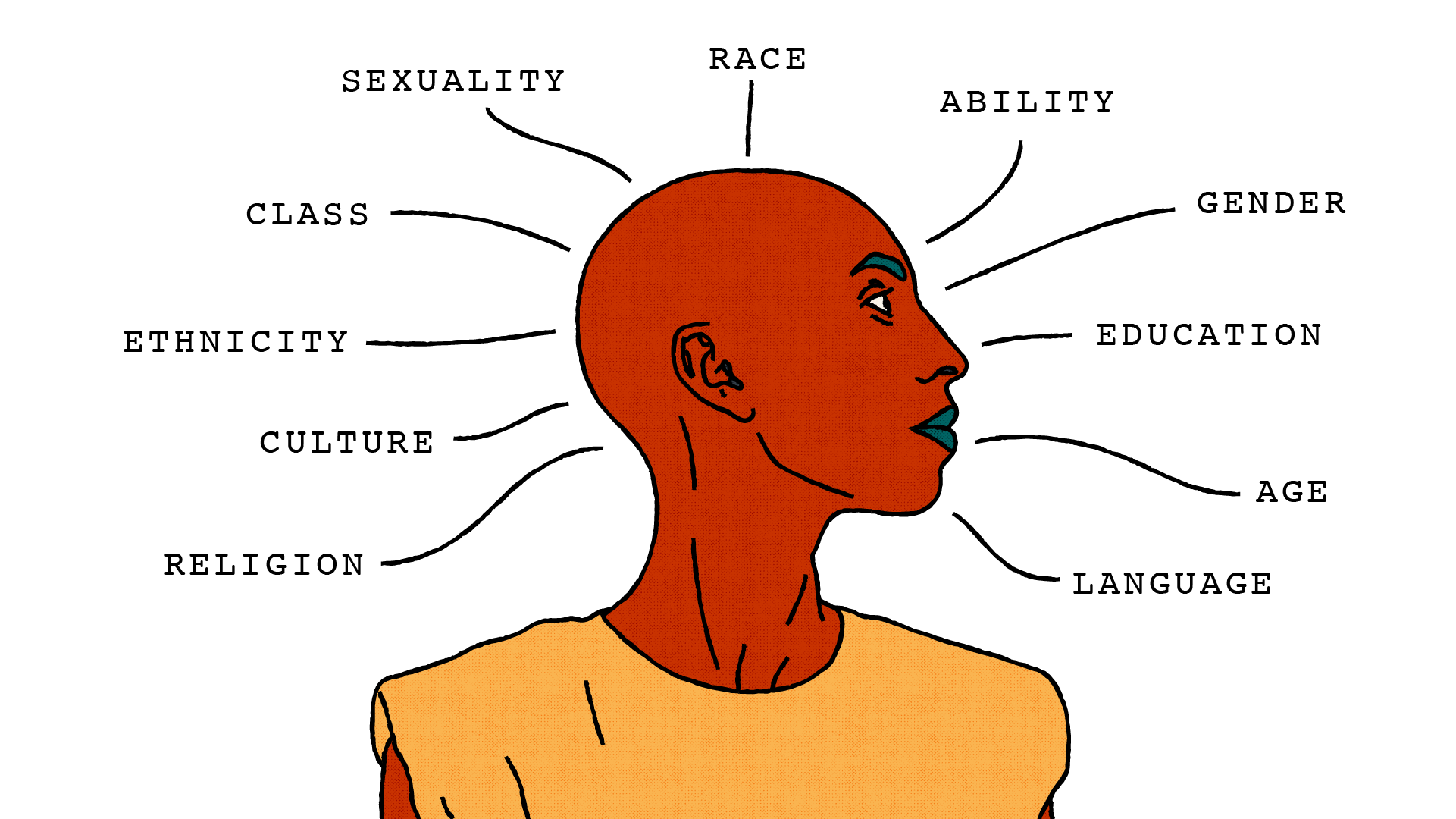
Choose an issue, project or campaign you are organising on that is affecting different groups of people.
- Who are you working for and with?
- Reflect on whether people of particular identities are getting more opportunities than others.
- How might the chosen ways of participating affect different people?
- Who are you overlooking and why?
- Can you be more specific - rather than generic commitments e.g. a commitment to all women, be specific about who you are speaking about. Thinking about age, gender, race, disability etc.
Depending on what you are noticing - how will you modify your actions?
Activity:
Anti-Oppression in practice
- Without extra resources or authority, what can you do to ensure those directly impacted by the issue you are organising on are at the centre of the work you are doing?
- What is one way that you can take the burden away from people who are racialised or minoritised to address anti-oppression on your team?
- How can you ensure that you are being proactive in your practice around anti-oppression, and not just reacting when harm happens?
Note:
Strategies to support with anti-oppression
1. Group agreements
A group agreement is a list of agreed ways a group commits to be in relationship with each other - this could be in the context of one meeting, or as an ongoing group commitment. This list is generated collaboratively, often with the support of an internal or external facilitator, to support your group to think about what commitments you want to make together and what those might look like in practice. The discussion on what matters to people and why can be a rich place to better understand each other and to hear from one another what will be important to support collective working and participation.
Group agreements can support establishing and committing to group norms around anti-oppression and accessibility. It’s helpful to refresh on group agreements at the beginning of meetings, or to have them somewhere accessible e.g. up on a wall, where everyone can see them. In times of conflict and disagreement it can be useful to refer back to group agreements (in a non-punitive way) as a way of re-orienting collectively.
Example of group agreements could be:
- Showing up with curiosity – emphasising the importance of listening to one another as a supportive way to not defaulting to assumptions.
- Speaking from the ‘I’ – for example ‘I feel’ as opposed to ‘we feel’ - not assuming that because you are in a collective everyone has the same experience.
- Noticing and parking our assumptions – acknowledging that we all have assumptions and practising noticing and being curious when assumptions arise. What is a clarifying question you could ask? What might be lying under that assumption? Having a collective language around assumptions can support teams to be more cohesive and trusting.
- Recognising we are all complex and layered humans! – A principle that can support this from Healing Justice London is ‘hard on ideas and soft on people.’ A commitment to challenging and aiming for rigour and curiosity around ideas, while being compassionate to each other.
- Taking a beat before we speak – this can be an important commitment to support with self-awareness, if you’re jumping in to speak a lot try to notice that, who might not be speaking as a result and what might be going on for you? Practise pausing and listening in these moments will be helpful.
- Being as present as possible in the space including to yourself – this supports being curious to others, committing to the group and also with regulation and bringing awareness back to yourself, noticing when you might need a break, water etc.
- Make time our friend – again this creates a collective responsibility around what we need to do with the time we have. It creates an understanding that contributions have to be boundaried in order to hear from everyone and move towards outcomes. A collective commitment around time-keeping supports people to participate and take personal and collective responsibility.
2. Reflective practice
Reflective practice (both one-on-one and collective) is critical to allow space for collective learning and reflection. As explored above with the Sites of Shaping and Sites of Change models, bias and stereotypes are conditioned in all of us from a young age. Having space to reflect, pause and hear from one another is an important part of allowing space for learning, building awareness and growth.
Reflective practice could look like consistent debriefs and check-ins, supervision or dedicated reflective practice sessions. As discussed in the previous section, using a coaching approach in check-ins supports people to strengthen their own agency and prevents rescuer style intervention that ultimately takes power and agency away from people.
Debriefs can also be an important practice to support with early intervention around conflict. Tensions can be navigated before they grow into larger conflicts or ruptures.
6 Joy and celebration
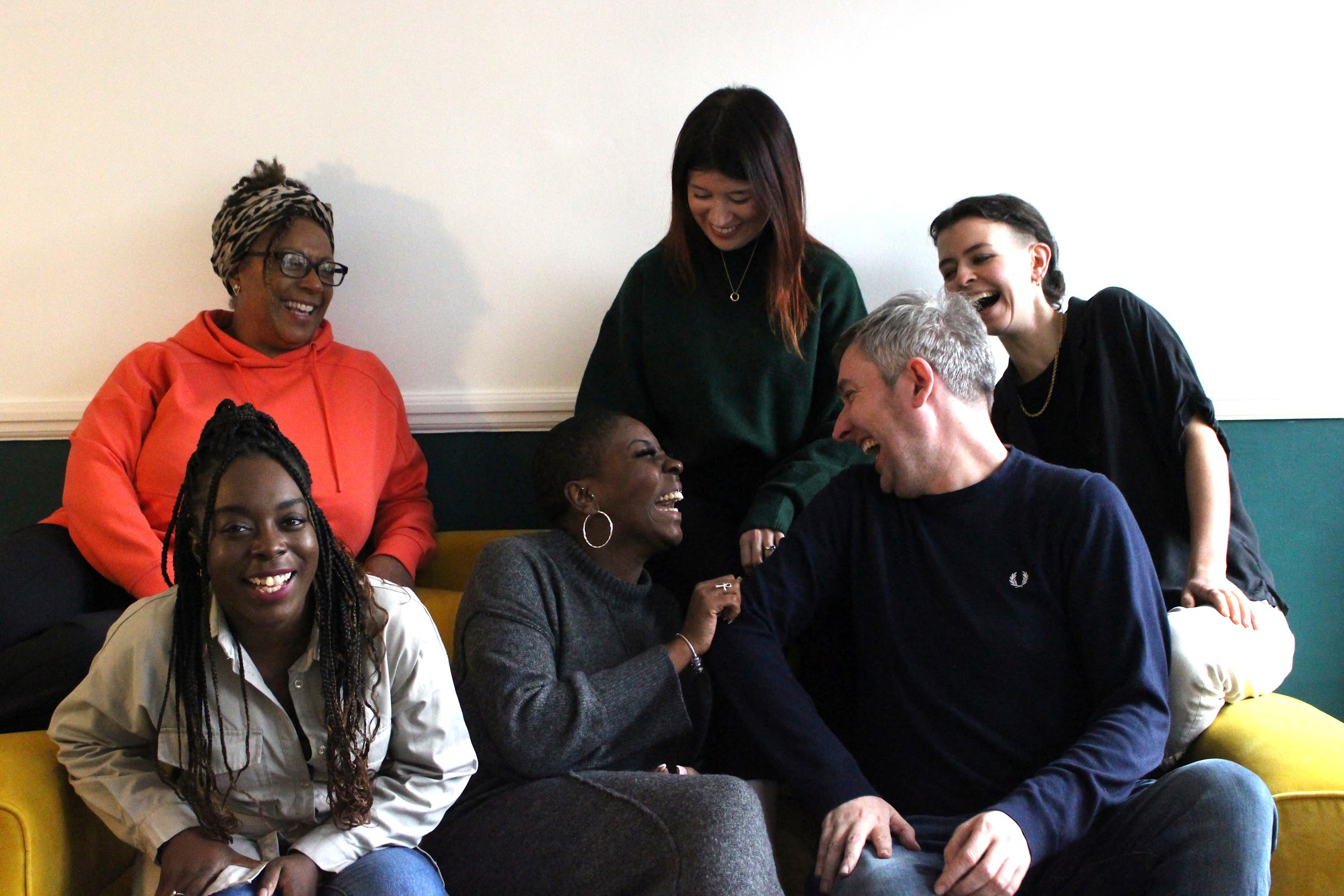
Joy doesn't betray but sustains activism. And when you face a politics that aspires to make you fearful, alienated and isolated, joy is a fine act of insurrection.
Activity:
Reflecting on joy in your organising
- When was the last time you experienced joy in the work you do (or beyond)?
- What literally happened? What did it feel like?
- What was it about the experience that made it joyful for you?
The roads to justice are often long and unpredictable. We may not see the wins we are fighting for in our lifetimes. Creating opportunities for celebration and joy along the way then becomes a critical part of building morale and momentum and organising sustainably.
These are two definitions of joy:
During the darkest days of the AIDS crisis, we buried our friends in the morning, we protested in the afternoon, and we danced all night. The dance kept us in the fight because it was the dance we were fighting for. It didn’t look like we were going to win then and we did. It doesn’t feel like we’re going to win now but we could. Keep fighting, keep dancing.
Joy does not come about by avoiding pain, but by struggling amid and through it. To make space for collective feelings of rage, grief or loneliness can be deeply transformative.
Activity:
Joy and celebration reflection
- What comes up for you reading these two definitions?
- Why do you think joy and celebration matter in the work that you do?
- How do you like to be celebrated and to receive recognition?
- Do you know how your colleagues like to be celebrated or receive recognition?
Joy and celebration can be conflated with success and the idea that we should only be celebrating when we achieve things.
Joy plays such a critical role in organising precisely because the struggle can be so hard. Finding opportunities to create joy and to celebrate becomes critical for morale and sustainability. Playing games or singing or dancing are good for the nervous system and can be valuable for building a sense of community and belonging.
So many movements prioritise joy and celebration as essential components to their work and practice. For example, dance is a powerful choice for joyful solidarity in protest, as well as an expression of freedom. Like in South Africa, with toyi-toyi (toi toi) dance or in Palestine with Dabke (dab-kee) dancing.
Note:
Strategies for joy and celebration
- Create regular and meaningful opportunities for celebration. For example, a dedicated time for celebration and shout-outs in weekly meetings. Get your team’s input on what they would like this to look like.
- Take the lead in carving out intentional time for connection and joy on your team and support your staff to honour this.
Activity:
Joy and hope in your organising
- How do you want to create and experience joy and hope in your organising this year? And with whom?
- What is a first step you can take towards this?
7 Rest and recovery
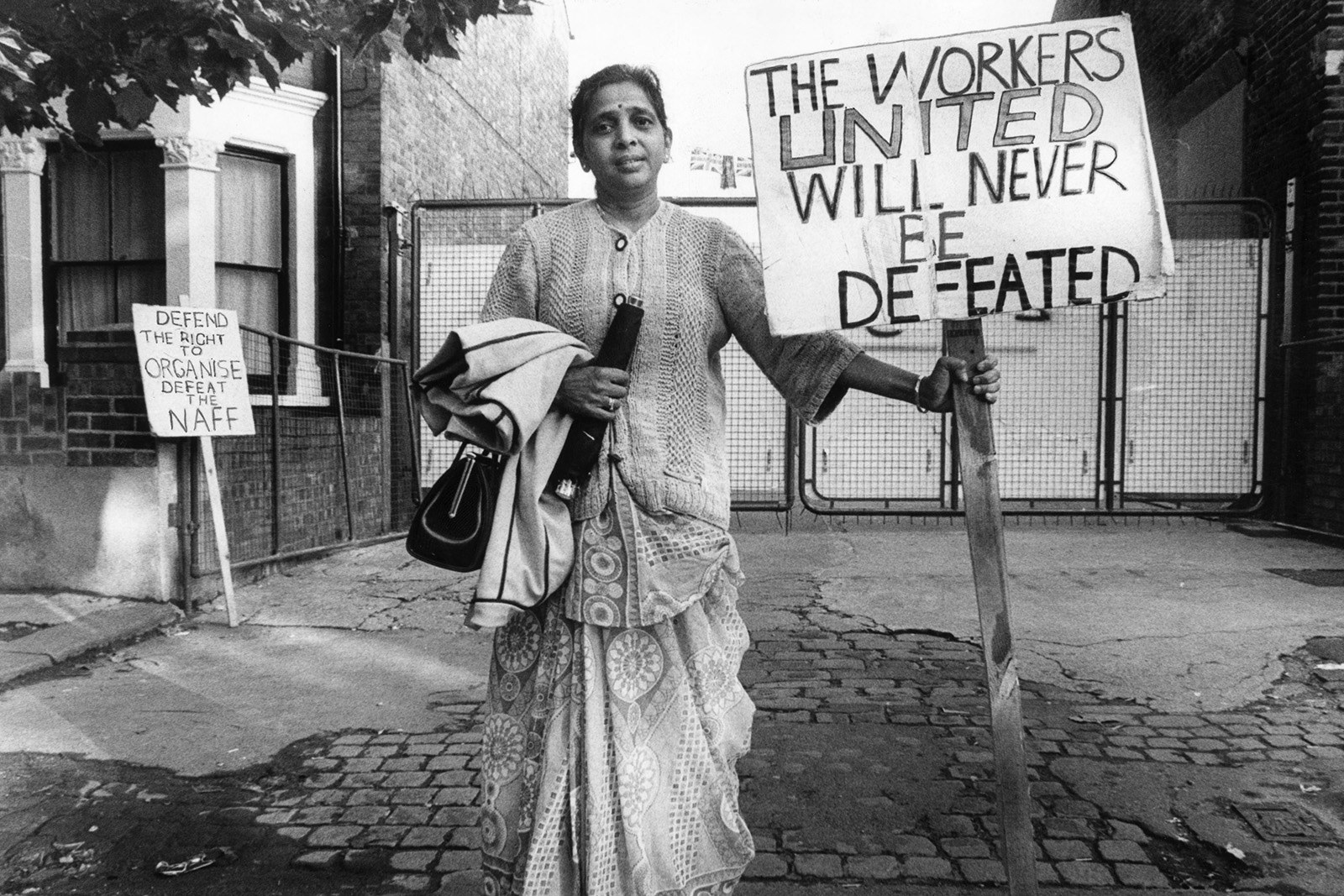
Rest and recovery is a challenge when doing organising and social justice work in a world where crisis and injustice is a constant. Yet we know it is critical to the sustainability of the work we are doing.
Activity:
Drawing breath

We’re going to do an exercise where you will draw your breath. You’ll need a piece of paper and something to draw with. You may want to put on some music that you find relaxing.
- Now, whether you’re sitting, standing or lying down, take a moment to get into a comfortable position.
- Take a deep breath in through your nose and let your breath flow deep inside, filling your stomach, then breathe out, letting your breath flow out gently.
- As you breathe in and out draw on your page, let your hand follow your breath.
- In and out.
- Keep doing this for a few minutes.
Reflection
- How did it feel to do this exercise?
- Did it bring up any reflections for you about rest?
Dr Saundra Dalton-Smith popularised the concept of seven different types of rest. These are:
- Physical rest – this could be passive (for example sleeping) or active (for example yoga or stretching).
- Mental rest – resting your brain by taking a break, practising mindfulness.
- Sensory rest – resting your senses (for example taking a break from bright lights, screens, background noise).
- Creative rest – reawakening to awe and wonder (for example taking time in nature or going to an exhibition).
- Emotional rest – having the time and space to express yourself honestly, be authentic and prioritise your own needs.
- Spiritual rest – connecting us to values and purpose (for example meditation, prayer, community).
Activity:
Reflection on rest
- What holds you back or prevents you from resting?
- What beliefs do you hold about rest that might hinder you from taking it?
- What is one form of rest from the list above that you would like to prioritise?
- Write down one way you will do that this week.
Applying the learning from the section on anti-oppression and intersectionality, we know that not everyone has equal access to rest. There are many structural barriers to rest. Research shows that there is a ‘racial sleep gap’ and that this has a classed dimension, with sleep problems particularly influenced by social deprivation and ethnicity.
Research by Nesta in 2022 highlighted how this sleep gap had increased during the pandemic, with Black and brown people experiencing increased sleeplessness and overrepresented in frontline jobs and shift work.

In Janine Francois’ piece entitled Reparations for Black People Must Include Rest, she notes:
It breaks my spirit, as I exist in between half-conscious states; never fully awake or asleep, never able to distinguish between the two. This may be the true power of racism—its force encompasses everything, seeping into our dreams at night and deflating our capacity to envision a better future. How can the radical Black imagination rebel against a system that so thoroughly seeks to destroy us? What would a future look like where we are liberated, reparations are paid, and we can finally rest?
The responsibility for rest is a collective one. While thinking about how we reclaim our time, and make space for rest, it’s important to think of the structural barriers and oppressions that make this much more possible for some rather than others.
Activity:
Reflection on the structural barriers to rest
We invite you to think about:
- Who has time to rest in your society and life?
- What feelings does this bring up for you?
- What is one thing you would like to do as a result?
Activity:
Activity
Imagine yourself at your most rested. Draw what this looks and feels like, or you prefer you can imagine it:
- Where are you?
- What can you smell?
- What can you see?
- What can you taste?
- Who are you with?
- What are you doing?
- How can you bring this into your organising? Your wider life?
Activity:
Commitments to rest
Write down two commitments you would like to make for rest, recovery and sustainability.
- A personal commitment.
- A collective commitment.
Who can support you with this?
8 Building caring teams
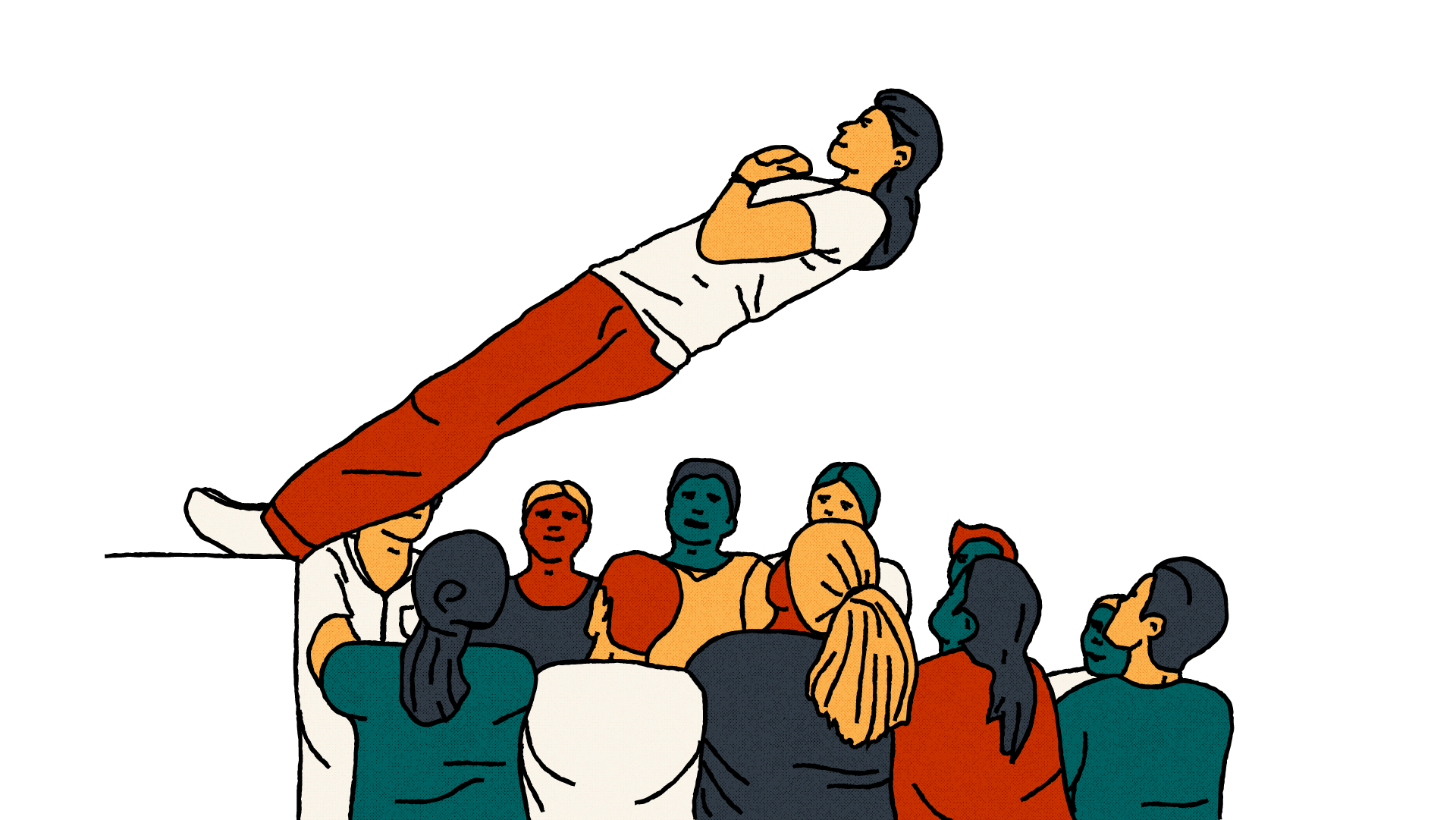
In this section we bring together our learning from the workbook so far to consider how we build caring teams for collective action.
The case study below details a campaign run by Act Build Change member Grapevine Coventry and Warwickshire. Read the case study and answer the questions below. Once you’ve filled out your answers you can see suggested responses to the questions in the suggested strategies box. Have a go first before looking at the answers.
Case study: Grapevine's campaign against disability cuts
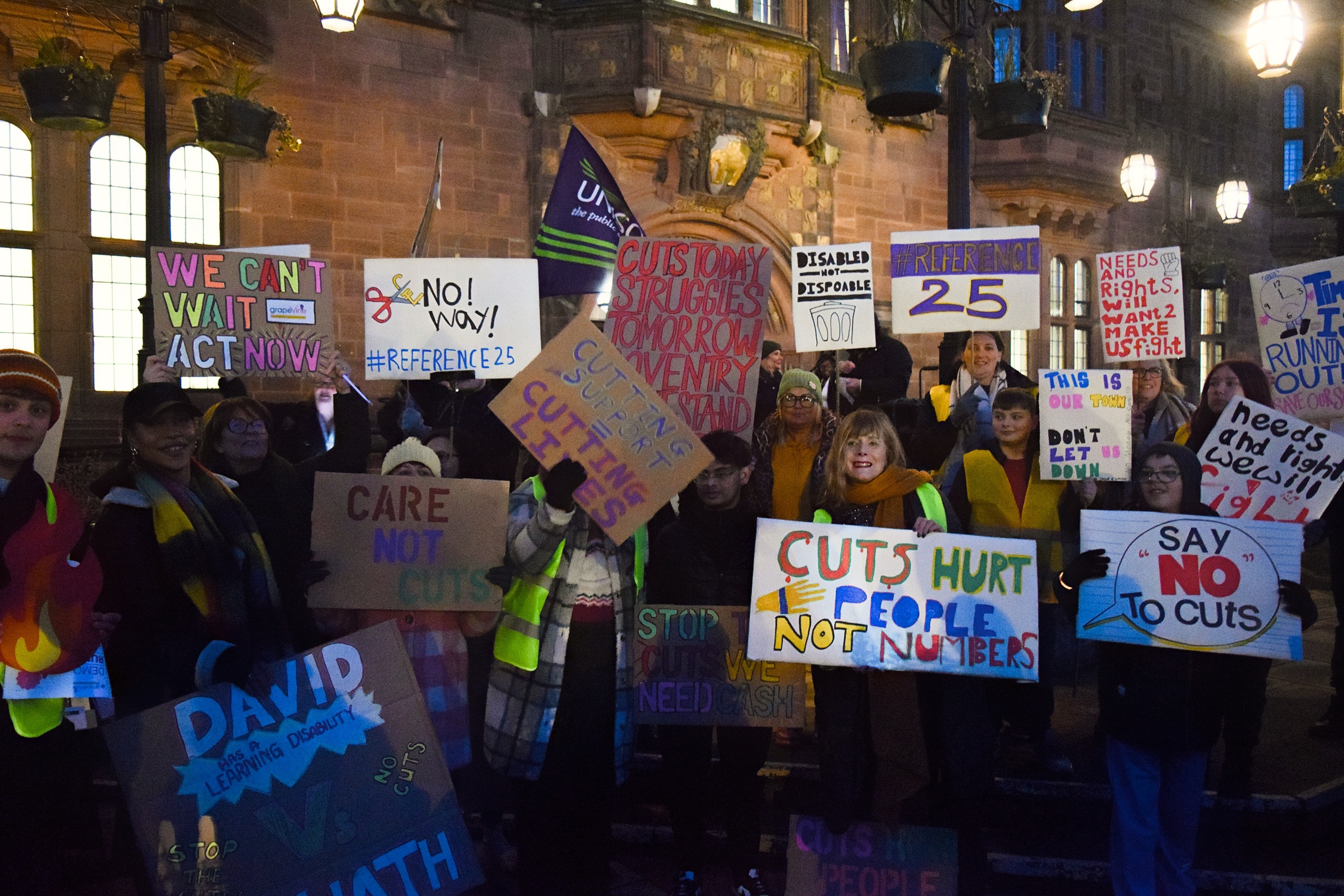
In December 2024, Grapevine Coventry and Warwickshire learned their council funding was being cut by 48 per cent – part of wider cuts affecting 12 local organisations supporting disabled communities. With just three weeks to act, they organised and won. The cuts were abandoned entirely.
How did they do it? Grapevine had spent years building a constituency – a broad community of people with learning disabilities, their families, and allies, connected through support programmes, previous campaigns, and local partnerships. When the threat came, these relationships were vital.
Their campaign brought this existing base into action: 120 people attended an online briefing, and over 150 turned up to protest outside the council and take part in media interviews. Many spoke publicly for the first time – supported by a community who held them in that moment, whether they stumbled over their words or not.
The council had tried to isolate organisations by telling them about the cuts separately, hoping to prevent solidarity. It didn't work. Grapevine's constituency model meant they already had the connections they needed.
Notably, most of the local voluntary sector stayed silent, accepting the cuts as inevitable. One staff member reflected: ‘There's a lot of acquiescence going on, thinking that standing up will cost you access. It hasn't cost us access at all.’
The campaign also built lasting power. Local activists involved have continued organising for disability rights, and one participant is now on Grapevine's staff team.
Activity:
Applying the principles
Consider how you might apply each of the four principles to a campaign like this – or to your own organising work.
- Accessibility – What might you consider to ensure everyone can participate?
- Anti-oppression – What might you consider to ensure you are challenging systems of oppression?
- Trauma-awareness – What would it mean to prioritise safety, belonging, and dignity of the people involved?
- Joy – How might you build in moments of connection and celebration?
Note:
Responses to 'Applying the principles'
These reflections draw on what Grapevine did – and the tensions they navigated – to show how the four principles can prompt useful questions for any campaign, including your own. Remember, only look at these answers once you’ve come up with your own responses!
- Accessibility – Grapevine used multiple formats to enable participation: an online briefing attended by 120 people, in-person sessions to help people complete the consultation form, and a physical protest with an open mic. They were also prepared to legally challenge the council on the grounds that the consultation process was inaccessible. But the three-week sprint created tensions – some key meetings with power holders were called at short notice or at difficult hours, making it hard for all leaders to attend. This is something they want to strengthen. Accessibility asks: when urgency drives the pace, who gets left out? How do we design for inclusion even under pressure
- Anti-oppression – Grapevine made sure the action was designed by those affected by the issues – even the words on signs and artwork came from their people. But a tension they reflected on was that, to get media buy-in, they felt they had to lean into narratives of vulnerability because they knew the media and politicians would respond to them. This is a tension many campaigns face. An anti-oppressive lens asks: how do we challenge systems that require us to perform vulnerability to be heard? Grapevine acknowledged this as a real challenge to navigate, and something they want to continue building on.
- Trauma-awareness – Many people spoke publicly for the first time, supported by a community who held them in that moment. Effort was taken to bring trauma-awareness to people's stories and energy. But a three-week, high-intensity campaign is demanding – the announcement came mid-December, forcing action over the holidays. Trauma-awareness asks: how do we pace ourselves? How do we prioritise reflection alongside action, especially when the issue itself – threatened loss of support – may be retraumatising?
- Joy – The campaign brought people together and they won. There was music and dancing. People designed their own posters and contributed their own gifts to making the actions work. For many, it was their first experience of a significant collective win – which built confidence and leadership. Coventry Youth Activists who were involved have continued organising locally and nationally, and one person who joined through a support programme is now on Grapevine's staff. But the opportunity to pause and celebrate was strained by enormous demands – for many, it was back to work the next day. Joy asks: how do we make space for rest and celebration when the work doesn't stop? What if we don’t win this time around, how do we still hold space for joy and reflection? What can we authentically celebrate with each other when we may not get what we want?
Grapevine's experience illustrates a broader truth: practising collective care is a constant negotiation and often involves going against the grain of wider cultural norms. This is why growing the leadership base matters – we cannot sustain care if the load always falls on the same people.
As the example above shows, building caring teams for collective action means paying attention to process. Processes can be an important part of ensuring the collective care principles (accessibility, anti-oppression, trauma-awareness and joy) are being lived in practice. Clear processes can support with clarity around roles and responsibilities, ensure equity, strengthen agency and autonomy and offer checks and balances during times of urgency.
Activity:
Processes in your team or organisation
Think of a process in your team or organisation where you feel care is present. What makes that possible?
Think of a process in your team or organisation where care is not as present as it could be. In this case, what gets in the way of care?
Supportive processes
Processes that we know can be supportive when rooted in care are:
1. Debriefs
Structured processes around debriefs can be a powerful way to prevent conflict building and deescalate tension by allowing concerns and grievances to be raised early on.
Debriefs also support trauma-aware ways of working. Effective debriefs help reduce vicarious trauma by giving people space to identify and acknowledge how they have been personally impacted and to identify what support they need to offset that impact. This decreases isolation and can support with early intervention and allow organisers to notice where resources and support may be needed.
- Beginning debriefs with a focus on positives is a simple but powerful way of creating care in the debrief and feedback process. ‘What went well?’ or ‘What would you like to celebrate?’
- ‘What could have been done differently?’ This creates agency and provides space for constructive reflection.
- ‘Considerations for next time.’ This opens up space for collective thinking and actioning going forward.
2. Forward planning
Forward planning is an important strategy to support with the management of workload as well as allowing for the intentional planning of wellbeing support in potential moments of challenge or risk. For example, the possibility of trolling after a launch or an event. Forward planning allows teams to identify resourcing needs and contingency ahead of time, reducing stress levels and strengthening emotional resilience.
3. Check-ins
Regular check-ins fosters caring structures at a team level by creating opportunities for team members to share support needs, concerns and updates on upcoming workload and capacity within the team. In one-to-one check-ins, managers should take a coaching approach. Check-ins should always begin with at least ten minutes dedicated to asking how a staff member is - creating space for individuals to talk about wellbeing. A mainstreamed template for check-ins can support consistency in practice.
4. Feedback
Creating processes around feedback is an important part of supporting care in relationships and the collective. Taking a coaching approach to feedback - creating space for a person to share their own reflections on success and challenges - allows for a balance of individuals having space to reflect on their own areas of progress and growth, while also creating space for feedback. The Management Center provides great advice on giving better feedback on their website.
If you don’t know how someone likes to receive feedback or be held to account, you can ask them directly, or explore this alongside other preferences in the user manual.
Other examples of processes that can strengthen collective care when designed with care in mind include:
- Safeguarding
- Supervision
- After-care
- Meeting formats (including group agreements, see above)
- Team structure
- Comms processes
Activity:
Brainstorm on processes
Note down any other processes that you would like to think about with care in mind.
Building a process to strengthen collective care
The following activity will support you to plan to strengthen or build a process that will strengthen collective care in your context.
Activity:
Building a caring process
Consider the main activities of community organising: building relationships, leadership teams, strategising and taking action. Choose one area in which you want to build or strengthen a process to support collective care.
- What is the process you want to introduce or improve to strengthen collective care and why is this important?
- What tool, concept or framework from the workbook could support you in this area? For example: user manual, creating opportunities for joy, building in rest and pause, clear process around check-ins and debriefs? Please feel free to adapt the tools or frameworks in the workbook to best match your context.
- How can you apply the collective care principles? (accessibility, anti-oppression, trauma-awareness, joy)
- How can you build on what is already working well in your context?
- What will you actually do?
- How can this process sustain during times of difficulty or urgency?
- Who will lead this idea and who will support?
- What resource might you need for this?
- What will your timeframe be?
- How will you know you have been successful?
You can see an example of responses to these questions below.
Note:
Building a caring process - example response
Here is an example of how you might answer these questions based on the chosen area of: ‘strengthening our debriefing process’.
1. What is the process you want to introduce or improve to strengthen collective care and why is this important?
We don’t have a consistent process on debriefing across our team, often debriefs are rushed and we don’t take away clear actions. It’s rare that we have the reflection time to think about what we want to do differently as a result of debriefs. We also often skip meaningfully acknowledging what has gone well. This workbook has illustrated how debriefs can be an important part of supporting to mitigate vicarious trauma and de-escalate conflict which is something we know we need to think more about in my group. We often only deal with conflict when it becomes an issue but I can see that creating space for people to share and reflect in debriefs could be an important way to de-escalate conflict before it becomes a problem, and to create a culture of giving honest feedback instead of letting resentment and problems build up.
2. What tool, concept or framework from the workbook could support you in this area? For example: user manual, creating opportunities for joy, building in rest and pause, clear process around check-ins and debriefs? Please feel free to adapt the tools or frameworks in the workbook to best match your context.
I definitely want us to use the user manual to understand more about our different needs, communication styles, boundaries etc. The question about how I like to receive feedback in the user manual is very useful. I’ll also be drawing on the learning around debriefs and check-ins to shape our new debrief process.
3. How can I apply the collective care principles? (accessibility, anti-oppression, trauma-awareness, joy)
- Accessibility - making sure we have a clear debrief process will allow the team to feel clarity and autonomy. Creating a process around debriefs facilitates more accessible ways of working by allowing people to be heard, understood and supported. Using user manuals will support team members to approach each other with more understanding and equip us all to make less assumptions. The user manual will support us to be more accessible by creating a space for the team to share their boundaries, needs and preferences.
- Anti-oppression - we will be more able to reflect on anti-oppression in our context if we are debriefing and reflecting collectively regularly. We can include explicit questions in our debrief template like ‘who benefitted?’ and ‘who didn’t benefit?’ to support us to reflect on this. Debriefs create a dedicated space to allow people to share their experiences - if we have good processes and commitment across the team this has potential to be an important way we can bring our values on anti-oppression to life.
- Trauma-awareness - I hadn’t previously understood the powerful role that debriefs can play to support with trauma-awareness. Having a consistent debrief process that will explicitly include space for our team to reflect on what any impact has been on them personally and what they/we will do to off-set that, will be an important way we are working to address vicarious trauma.
- Joy - in our debrief process we’ll always start with ‘what has gone well’ and ‘what do we want to celebrate’ - we’ll have to work collectively to make sure that this becomes non-negotiable!
4. How can you build on what is already working well in your context?
We have fortnightly team days, we can create a reflection slot in this time to bring any actions and questions from debriefs. We also have an appetite in the group to have more structured debriefs and make more time for reflection so there is buy-in for this.
5. What will you actually do?
- Adapt the user manual to our context
- Research - desk research and primary research, gathering insights from our team on how they would like debriefs to take place.
- Draw up a draft process, and templates for debriefs. I think it will be useful to have two versions of debriefs - one for meetings and events, and another for longer projects or residentials.
- Get feedback from the team and then trial our new process.
6. How can this process sustain during times of difficulty or urgency?
Collectively committing to this process will support us to be collectively accountable. Having clear roles on who is responsible for chairing and note-taking in debriefs and scheduling them will support us. Managers particularly will be accountable and play an important modelling role to make sure that there is always 20 minutes after meetings and workshops to debrief.
7. Who will lead this idea and who will support?
I will lead this with the support of my manager.
8. What resource might you need for this?
Time to develop the process and to get input and feedback from our team.
9. What will your timeframe be?
I envisage a timeline like this:
- Research and development including input from team members (6 weeks)
- Initial trial (3 months) including team filling out user manuals
- Reflection and adaptation
- Trial again (3 months)
- Feedback and reflection from team and adaption if needed.
10. How will you know you have been successful?
- Our debriefs run smoothly, notes are taken and actions are completed.
- Our team feels supported and report through feedback that our stronger culture of debriefing and feedback has been beneficial.
- We will be able to work and plan in more strategic ways due to more reflective learning.
9 Closing commitments
- What is one commitment you want to make for your own care?
- What is one tool or resource that will support you on your journey?
- What is one takeaway you will bring back to your team or collective?
- What is a quote, verse or mantra that can guide you on your collective care journey?
Resources
-
Introduction to Transformative Community Organising
An online introductory course in community organising and collective care by Act Build Change.
-
Nkem Ndefo: Coming Home to Yourself
Episode of Hurry Slowly podcast by Jocelyn K. Glei.
-
The Shape of Safety 2024
A guidebook to support those working with young people to safeguard in more trauma-informed ways
-
Building a Collective Care Response to Trolling
An Act Build Change post on ways to respond to trolling that many organisations in the sector face.
-
Solidarity Knows No Borders Organising Workbook
A toolkit to share tools, ideas, stories and strategies for migrant justice organisers.
-
The GEN Grief Toolkit
Embodiment tools and rituals to support grief work in community.
-
RadHR Policy Library
A free, open and collaborative collection of policies and processes.
-
Healing Justice Ldn Aftercare Menu
Here are some approaches to care for yourself in the way you might need following sessions/trainings/workshops/organising.
-
Live Within Your Window of Tolerance
A useful free resource by Laura K. Kerr with information on activation versus shutdown, and finding the feeling of safety in between.
-
The Wheel of Awareness
Use this model, from Dr. Dan Siegel, to access the Core Self (centre of awareness).
-
Training Our Minds In, With and For Compassion
An introduction to concepts and compassion-focused exercises by Dr Paul Gilbert, et al.
-
Supportive Touch
A supportive touch care exercise by Dr Kristin Neff.
-
The Politics of Trauma
A useful reading, by Staci K. Haines, to support with better understanding trauma and identifying trauma-informed approaches to our work.
-
Trauma Stewardship
An everyday guide for caring for self while caring for others by Laura van Dernoot Lipsky.
Acknowledgements
Authors
-

Latifa Akay
Lead of Impact and Learning at Act Build Change
Latifa has over a decade of experience working and organising with communities around social justice issues and on arts-based community projects. Latifa is interested in transformative approaches to safety and justice and produced and co-wrote The Radical Safeguarding Workbook in her former role as Director of Education at Maslaha. Latifa approaches organising with the belief that collective action is all we have and that only by building solidarity across struggles and oppressions can liberation truly be a possibility. Latifa is a trustee at the Inclusive Mosque Initiative and was co-director of the 2021 MFest at the British Library. She holds an LLM in Human Rights Law and before moving to London in 2012, she worked for two years as a journalist in Istanbul.
Links -

Stephanie Wong
CEO at Act Build Change
Stephanie is a community organiser, facilitator and collective care practitioner. She has won with many others on issues from citizenship for young people, securing better wages for 1000s of staff and winning housing for those seeking asylum. She has trained hundreds of community leaders who have gone on to win local and national policy change and political elections. She has taught at Stanford, Harvard, UCL and LSE University. She built Act Build Change with her husband Ricky in 2018 in response to some of the inaccessible ways organising was taught in the UK. Together, they hoped to give a contribution to the field of organising that would allow more of us to get great organising training in accessible, dignified and transformative ways.
Links
Contributors
-

Ariel Whitson
Director of Organising at Act Build Change
Ariel has over a decade of experience as a community organiser focused on social justice issues, primarily with environmental and land justice. Before joining Act Build Change, she was the Senior Director of Community Organising and Education at TreePeople, a leading Los Angeles-based NGO, where she led a team of 40 organisers and educators supporting communities impacted by climate change and environmental injustice. Prior to TreePeople, she ran major advocacy campaigns at Ten Strands, securing significant legislative and funding victories for climate literacy. Ariel is passionate about healing the violent separation of land and people through organising.
Links -

Kennedy Walker
Lead Community Organiser at Act Build Change
Kennedy has supported individuals, groups and organisations move through conflict, build power, cultivate knowledge and strengthen skills for over ten years. They’ve trained with the Gestalt Centre in London, Navigate and Training for Change in counselling skills, group facilitation, coaching and more. Alongside this they have campaigned and organised towards food, land and climate justice. In 2017, Kennedy co-founded Kinfolk Network, a network for black organisers and campaigners to learn from each other and build power. Kennedy holds a master's degree in Human Rights, Culture and Social Justice and is currently a trainee therapeutic counsellor.
Links
Copyright
You may reproduce and distribute this work for free, but you may not sell the work to others. You must always attribute the names of the work, whether it is Act Build Change, or anyone else we reference or platform. You may modify the work, provided that the attribution remains. We may ask you to remove this attribution if the modifications are not in line with our expectations of use.